I actually made a feature article for our school magazine about our native pampalaming, the halo-halo.
It underwent edits, so some contents won't be published, so I decided to put the other parts here. In my "nurse researcher" mindset, the bulk of information I banged in here were definitely copy-pasted from resource websites. So i don't have intentions for copyright infringement (that's dogmatising) or plagiarism:D
Mixed with Love
Halo-halo(from the Tagalog, literally meaning “mix-mix”)is aconcoction of shaved ice, milk and sweetened fruits. It is a common Filipino delicacy in-demand and craved by anybody who wants to cool their guts and freshen up during the summer season. It is basically composed of sweet preserved beans(red beans, chick peas), coconut meat (macapuno), jackfruit (langka), pounded dried rice (pinipig), sweet yam (ube), cream flan (leche flan), shreds of sweetened plantain (saba), filled with crushed ice, milk and topped with ice cream. If you’re happy finding one cheaper stall beside Lapaz Market, you’ll get delighted with tropical fruits such as mango, species of melon, pineapple with matching tapioca(sago) and jelly (gulaman)and barquillos sitting pretty on top. The dessert is usually served in a tall, clear glass to show off the colorful layers.
Halo-halo maybe likened to Filipino culture. The ice cream in the surface carries its western blend. A composite of eastern culture isunderneath, liesAsian tropical fruits and ingredients that form the bulk of the mixture in rich diversity of colours and flavours. When ice cream coats the rest below as it melts, the whole treat pictures the Filipino culture, embraced, welcoming, creating the sweetest combination and native feeling of home.
Health and Home
Halo-halo is branded as king of Filipino desserts. With its easy preparation in principle, that means you can pile up any fruits as long as they’re edible and you can spoon them each to your mouth before sipping the sweet soup of milk, sugar and melted ice and if lucky, ice cream, that one last passionate act of savouring the dessert. It is homemade easy. Take it as a family bonding time making one whatever the occasion maybe. Explore your likes and imagination, enjoy and make fun by inventing your halo-halo layers with your siblings or parents. Its ingredients are pretty available in your local market, you can even dig up some sweet potato in your backyard. Voila! You can now start your own little halo-halo business. For commoners’ price of 10-15 peso, you can take part with the pleasure. Healthy home plus entrepreneurship equals awesome summer!
A typical Halo-halo already contains ingredients having tantamount of benefits.

This fruit has extremely high water content, approximately 92% making it a choice to quench the inner thirst brought about by the summer heat. The Healing Daily website says that watermelon is highly effective in flushing the colon of toxins by quickly moving through the stomach and taking associated waste with it. Watermelon is also a very concentrated source of the lycopene which is found to be protective against a growing list of cancers. These cancers now include prostate cancer, breast cancer, endometrial cancer, lung cancer and colorectal cancers. Men who enjoyed savouring lycopene-rich foods are 82% less likely to have prostate cancer compared to those consuming the least lycopene-rich foods according to research published by Asia Pacific Journal of Clinical Nutrition (Jian L, Lee AH, et al.).Additionally, the World’s Healthiest Foods website promotes the consumption of watermelon as an anti-inflammatory remedy for better colon health. Watermelon is highly concentrated with powerful antioxidants that attack free radicals, which accumulate in the colon’s lining. Research suggests that fruits fully ripen, almost to the point of spoilage, their antioxidant levels actually increase. Three or more servings of this fruit per day may lower your risk of age-related macular degeneration (ARMD), high blood pressure and erectile dysfunction. Your quiet desperation to juice up your parched life and mitigate your worries of dying from dehydration is now answered.

2. Boiled Sweet Potato:
It is an excellent source of manganese and beta carotene. Consumption of boiled and mashed sweet potatoes has been shown to raise blood levels of vitamin A in children. Boiling sweet potatoes have a more favourable impact on blood sugar regulation and to provide sweet potatoes with a lower glycemic index (GI) value. Scientists conclude that this tuber has anti-inflammatory properties. Being a good source of vitamin C, copper, vitamin B6, and dietary fiber, this healthy root crop can also be a source of iron and potassium. It surely gives us the antioxidant protection that protects our bodies from the ill effects of the scourging heat. Aside from this, the vitamin B6 content of this food helps us have lesser risks for cardiovascular diseases. Who would ever thought that the kamote that we used to know, the one that gets buried below ground and comes out scarred and bruised, could have such immense benefits to the human body?

3. Jackfruit:
It is considered as the largest tree-borne fruit in the world. Aside from the calcium you get from the milk you add to your “halo-halo,” this fruit is also a good source of calcium. Jackfruit is also known to contain anti-ulcer properties which help cure ulcers and digestive disorders. In addition, the presence of high fiber in the jackfruit prevents constipation and helps in smooth bowel movements. It is also a potential source of vitamin C and is rich in phytonutrients such as lignans, isoflavones and saponins which have anti-cancer and anti-aging properties that slow down the degeneration of cells and make the skin look young and supple. For you who is on the trend of losing weight, jackfruit contains few calories and very small amount of fats to prop your ideal waistline.
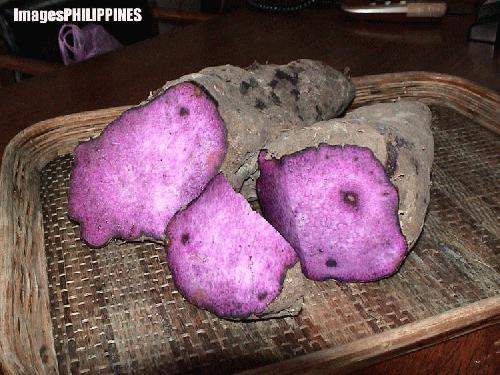
One-fourth cup of this food can give us: 1.5gm fiber, 41 IU of vitamin A, 4mg of vitamin C, 6mcg of folate, 5mg of choline, 5mg of calcium, 6mg of magnesium, and 227mg of potassium. If your emotions ever get too high because of losing a soccer game, the potassium content of yam aids in controlling blood pressure. Yam is a good source of energy, mainly composed of complex carbohydrates and soluble dietary fiber. In addition, dietary fiber helps reduce constipation, decrease bad or "LDL" cholesterol levels by binding to it in the intestines and prevent colon cancer risks by preventing toxic compounds in the food from adhering to colon mucosa. Yum! Yum!
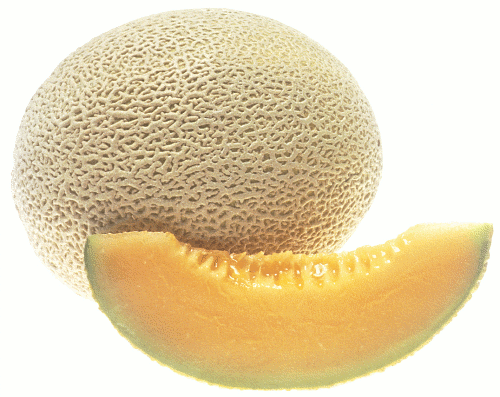
The sweetest of all the melons, this juicy and meaty fruit can be part of our halo-halo. Its colour and aroma are very refreshing, summery, tropical and perfect for all seasons treat. Taken alone, it gives you the appetite to eat more of it. The character of melon can relieve heartburn in the stomach, eliminates the acidity of the body and it has healing properties against constipation. Honeydew melon is an excellent source of vitamin A and C, while also being a good source of potassium. Aside from being a brilliant diuretic, honeydew melon contains an anticoagulant called adenosine, which could stop the clotting of blood cells that can lead to stroke or heart disease. Meanwhile, the carotenoid content in this fruit combats the risk of having lung cancer. Other than these, it can contribute vitamin B6, folate, dietary fiber, and vitamin B3 or niacin.

6. Corn:
It takes form of a kernel separated from its cob in halo-halo, you can scoop them one by one so there’s no need to be conscious about the How-You-Eat-Corn Personality Test and just relish in the chewing satisfaction corn can provide. Raw, the corn is an already nutritious food; but once cooked, it unleashes a phenolic compound called ferulic acid, which provides health benefits, such as battling cancer. Corn has been directly mentioned as a food that was important in overall antioxidant protection and a contributing factor in the decreased risk of cardiovascular problems.
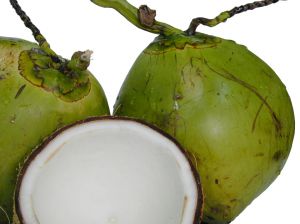
7. Coconut:
This robust fruit is rich in dietary fiber which could be an alternative treatment for constipation. Emaciated individuals can find their selves buffed by coconut fruit if they choose to consume it since it is good for building up muscles like coconuters do have. 100 g kernel consists of 354 calories. Much of this comes from the fats and protein. An average size nut weighing 400 g edible meat and water provides almost all the daily-required essential minerals, vitamins, and energy for a medium sized person. The important saturated fatty acid in the coconut is lauric acid. Lauric acid help rise HDL cholesterol levels in the blood which has beneficial effects on the coronary arteries by preventing vessel blockade (atherosclerosis). Its juice can also be a part of halo-halo . The juice is packed with simple sugar, electrolytes, minerals, and enzymes that altogether aid in digestion and metabolism.

8. Mango:
Research has shown antioxidant compounds in mango fruit have been found to protect against colon, breast, leukemia and prostate cancers. The high levels of fiber, pectin and vitamin C help to lower serum cholesterol levels, specifically Low-Density Lipoprotein (the bad stuff) One cup of sliced mangoes supplies 25 percent of the needed daily value of vitamin A, which promotes good eyesight and prevents night blindness and dry eyes. Mangos are a great source of vitamin E and boost immune system by having vitamin A and C plus 25 different carotenoids.

9. Milk:
A common use in preparing halo-halo is evaporated milk. A process called vacuum evaporation removes 60% of water from fresh milk turning it concentrated and packed with nutrients and calories. The denser product is fortified with vitamin A and D. Milk provides calcium, phosphorous, magnesium and protein which are all essential for healthy bone growth and development. Research has shown that people who consume milk are likely to be slimmer than those who do not.

10. Banana:
What we thought could merely stand 5 feet tall when we we’re young could exceedingly reach 26 ft and bear one of the best sources of potassium, an essential mineral for maintaining normal blood pressure and heart function. Since the average banana contains a whopping 467 mg of potassium and only 1 mg of sodium, a banana a day may help to prevent high blood pressure and protect against atherosclerosis, a disease in which fatty plaques form in walls of our arteries. Do not envy the fruit for how long it is, and the tree for how tall it had been, both could offer you a helping hand in your own crisis. Researches have shown that enjoying banana frequently as part of your eating habit can subsequently help your body improve its ability to absorb calcium. So start building better bones with bananas.

11. Ice
Ice in its shaved or crushed form primarily initiates halo-halo’s aim of cooling your nerves and stimulating your thermoreceptors for cold. You can easily lose a little weight by simply drinking cold water according to Douglas Silver Porter who executed the cold water diet. The theory behind it is that when cold water is ingested, the body burns extra calories to heat the water up to a body temperature of 98.6 degrees F. The colder the water, the harder the body works to warm up the water. Say you sip halo-halo’s ice cold mixture, more calories would be burned and more weight would potentially be lost. Plus it doesn’t limit food consumption, so the edible solids are just fitting.

12. 1. Tapioca Pearls:
This colourful ingredient also contributes to the good nutritional profile of halo-halo. The health benefits of tapioca pearls are mainly in the carbohydrates it provides. These small edible marbles add an array of colours to halo-halo that makes it a common symbol presenting the vibrancy of Philippine occasions and fiestas. It is prepared by mixing water with tapioca flour formed in small balls. One cup of dry tapioca pearls contains about 544 calories, 134.8 g of total carbohydrates, 0.3 g of protein and small amounts of two of the B complex vitamins B5 and B9 . There is virtually no fat or cholesterol content in the pearl.
Sources:


0 comments:
Post a Comment